


Table of Contents
A bifold barn door is an interior folding door with barn-style panels, usually used where a full swing door or sliding barn door takes too much space. It folds in hinged sections, gives closets and pantries a farmhouse or shaker look, and needs careful measuring before you order.
This guide compares bi fold barn doors, sliding barn doors, standard bifold doors, hinged doors, and pocket doors so you can choose the right fit for a closet, pantry, bathroom, laundry room, hallway, or small bedroom.
What Is a Bifold Barn Door?
Basic Definition
A bifold barn door is usually a bifold interior door that has barn-door styling, such as shaker panels, X-brace trim, Z-brace trim, frosted glass, black hardware, rustic wood, or a painted farmhouse finish. It doesn’t work like a true sliding barn door; it folds on hinges and pivots, which is why it saves side-wall space.
The door feels different from a hollow closet slab when you move it. A good one has a steady folding action, while a cheap or poorly adjusted one can chatter in the track, scrape the floor, or flex at the hinge line when you pull it too hard.
Bifold and Bi Fold Terms
You’ll see several names for the same general product: bifold barn door, bi fold barn door, bi fold barn doors, barn door bifold, bifold barn doors, and bifolding barn door. Retailers use these terms loosely, so always confirm whether the door folds on pivots or slides on a wall-mounted rail.
The naming confusion matters because hardware compatibility changes completely. A sliding barn door kit uses rollers, stoppers, anti-jump blocks, and a floor guide; a barn door bifold setup needs a top track, pivots, hinges, and often an aligner or snugger.
Sliding vs Folding Motion
A sliding barn door moves sideways along the wall. A bifold barn door folds into a panel stack, so it needs less side-wall clearance but still projects into the room when open.
For example, a 30-inch bifold leaf often uses two 15-inch panels and may project about 15 to 18 inches when open, depending on hardware and panel thickness. A 30-inch hinged door needs roughly the full 30-inch swing path, while a sliding barn door usually needs clear wall space near the door width.
Common Interior Uses
A barn-style bifold door works best for interiors where the door mainly hides storage, limits visual clutter, or creates light privacy. Closets, pantries, laundry closets, linen cabinets, small bedrooms, and some powder rooms are common locations.
Use it with care in spaces that need strong sound control. A bifold door usually has small perimeter gaps, and you can often hear the soft clack of panels meeting the jamb more than you would with a solid hinged door.
Bifold Barn Door vs Other Doors
Comparison Table
The best door choice depends on clearance, privacy, hardware, and how often the opening gets used. This table gives a quick comparison before you look at product listings.
| Door type | Best for | Clearance needed | Hardware required | Privacy level | Installation difficulty | Average cost range | Main drawback |
|---|---|---|---|---|---|---|---|
| Bifold barn door | Closets, pantries, laundry rooms, small bedrooms | Limited front projection; less side wall than sliding barn doors | Top track, pivots, hinges, guide hardware | Moderate, based on gaps and material | Moderate | $200–$700 for many decorative options | More moving parts than a slab door |
| Sliding barn door | Decorative openings, wide doorways, room dividers | Clear wall space beside the opening, often close to door width | Wall track, rollers, stoppers, floor guide | Moderate to low from side gaps | Moderate to hard | $250–$1,000+ | Needs open wall space |
| Standard bifold door | Budget closets and utility spaces | Limited front projection | Top track and pivots | Moderate | Easy to moderate | $80–$300 | Often plain unless upgraded |
| Hinged door | Bedrooms, bathrooms, rooms needing better closure | Full swing radius | Hinges, knob, latch, strike plate | Higher than bifold or barn doors | Moderate | Varies by slab and labor | Uses floor space |
| Pocket door | Tight spaces with usable wall cavity | Minimal floor and wall surface clearance | Pocket frame, track, rollers, guides | Moderate | Hard when retrofitting | Higher when walls must be opened | Wall work can raise cost |
Bifold Barn Door
A bifold barn door is the practical choice when you want a barn-door look but don’t have clear wall space for a sliding rail. It works especially well on a closet where a swinging slab would hit a bed, nightstand, hamper, or hallway wall.
The tradeoff is maintenance. Pivots, hinges, aligners, and track parts need proper adjustment, and a small twist in the opening can make the panels rub or sit unevenly at the meeting edge.
Sliding Barn Door
A sliding barn door gives a clean, dramatic look, but it needs an open wall path. A single sliding door often uses a track near twice the door width, leaving room for travel and stops.
Light switches, outlets, vents, artwork, tall baseboards, and thick casing can block the slide path. If you need a wider opening or room separation, compare sliding room dividers before choosing a bifold system.
Standard Bifold Door
A standard bifold door uses similar folding motion but usually has a plainer look. It may be louvered, flush, molded, hollow-core, or paneled, and it’s often picked for budget closet replacement.
It can still work well if you upgrade the pull, paint the panels, and tune the hardware. The difference is visual weight: barn-style trim gives the door a more finished face, which matters in bedrooms, kitchens, and entry hall storage.
Hinged and Pocket Doors
A hinged door seals better and latches more cleanly than most bifold barn doors. Pick a hinged slab for a full bathroom, bedroom, or office where sound and privacy matter more than floor clearance.
A pocket door saves floor space without panel projection, but retrofit work can be invasive. If the wall cavity is open or you’re remodeling, a pocket door may provide cleaner access than folding panels.
Clearance Tradeoffs
A bifold barn door is often better than a sliding barn door when you don’t have enough side-wall clearance. It’s also better than a hinged door when a full swing would block furniture, appliance doors, or a narrow hallway.
The hidden tradeoff is usable opening width. Folded panels sit in the opening, so measure the clear access width after the door is fully open, not just the framed opening width.
Privacy and Access
Bifold barn doors provide moderate privacy, not a tight seal. Solid MDF or wood panels block sight lines better than louvered doors, while frosted glass can glow with silhouettes under strong backlighting.
For accessibility-sensitive spaces, check the clear opening and handle grip. The 2010 ADA Standards include door maneuvering and clear-width rules for accessible routes, which can matter in public, rental, or aging-in-place projects.
Best Rooms for Bifold Barn Doors
Closet Doors
A closet bifold barn door is the most common use because it gives wide access without a full swing. It works for bedroom closets, linen closets, hallway storage, and reach-in wardrobes where bypass panels would hide half the opening at a time.
Choose a surface that can handle daily hand contact. White PVC-coated MDF wipes clean easily, while unfinished wood feels warmer under your fingers but needs sanding, sealing, and a finish that won’t grab lint from clothes.
Pantry Doors
A pantry is a strong spot for a barn door bifold because the door becomes part of the kitchen design. Frosted glass brings light into the corner, while solid panels hide cereal boxes, small appliances, and wire shelving.
Check handle clearance near cabinets, refrigerator doors, and island corners. In tight kitchens, even a slim pull can tap a cabinet face with a sharp metallic click if the folded stack opens too far.
Laundry Rooms
Laundry closets benefit from space-saving panels, but you need access to washer doors, dryer doors, hoses, filters, and shutoff valves. A door that looks perfect closed can be annoying if it blocks appliance service.
Moisture also matters. PVC-coated MDF, sealed wood, or painted composite handles humid air better than raw unfinished panels, especially near dryers where the room can feel warm and slightly damp after a long cycle.
Bathroom Privacy
You can use a bifold barn door for a bathroom, but choose carefully. Solid panels give better privacy than frosted glass, and a latch or magnetic catch helps prevent the door from drifting open.
Test frosted glass in daylight and at night with the bathroom light on. Some panels look opaque in the store but show soft body outlines when the room behind them is brighter; for more bathroom-specific advice, see this guide to a bifold bathroom door.
Small Bedrooms and Hallways
Small bedrooms, hallways, and attic rooms often don’t have enough swing space for hinged doors. A bifolding barn door reduces the swing radius and can keep the walkway open enough for hampers, bins, and closet organizers.
The best results come from quiet hardware and accurate alignment. In a hallway, a misaligned pivot makes the panels knock the jamb every time someone opens the closet, and that hollow thud gets old fast.
Not Recommended When
A bifold barn door isn’t the right fix for every opening. Avoid it when you need maximum sound blocking, a tight bathroom seal, fire-rated separation, exterior security, or the widest possible clear access.
- Badly out-of-square openings can make panels bind, twist, or pop from the track.
- Uneven floors can reduce bottom clearance and cause scraping.
- Heavy glass doors need stronger hardware and secure structural support.
- Wheelchair access needs may conflict with the folded panel stack inside the opening.
- True barn-door style may look better with a sliding door if wall clearance is available.
Practical Notes From Real-World Use: the best installations feel smooth, quiet, and slightly resistant at the close point. If the panel stack wobbles, the pull feels spongy, or you hear a dry scraping sound at the floor, adjust the pivots before the hardware wears grooves into the track or finish.
How to Measure a Bifold Barn Door
Finished Opening Width
Measure the finished opening width, not the rough framing behind the trim. Measure at the top, middle, and bottom, then use the smallest number if the opening isn’t square.
Most interior bifold doors are sold by nominal opening size. A 30 x 80 bifold door is usually made slightly smaller than 30 inches wide so it can fit the finished opening with pivots, hinges, and small operating gaps.
Finished Opening Height
Measure from the finished floor to the underside of the top jamb or header. Check the left, center, and right sides because older houses often sag or settle enough to change the fit by a quarter inch or more.
Standard interior bifold height is often 80 inches, but 78-inch, 84-inch, and custom-height options exist. New tile, laminate, hardwood, or thick carpet can steal clearance after you measure, so account for flooring before you order.
Door Projection
Projection is the space the folded panels take in front of the opening. A two-panel leaf usually projects around half its width, plus a little extra for panel thickness and hardware movement.
For a 60-inch closet, two bifold leaves often split into two 30-inch sections. Each side folds into panel stacks near 15 inches, which leaves the room feeling more open than a pair of full-swing hinged doors.
Wall and Floor Clearance
Check the floor, side trim, baseboards, shelves, and nearby furniture. A bi fold barn door may not need sliding-wall clearance, but it still needs space for the folded panel stack and pull handle.
Run your hand across the floor near the opening. If you feel a hump, raised threshold, carpet tack strip, or proud tile edge, that small bump can turn into a loud scrape once the door weight sits on the pivots.
Rough Opening Mistakes
The biggest buying mistake is ordering from the rough opening instead of the finished opening. Rough framing measurements include space that may later disappear behind drywall, jambs, trim, flooring, or casing.
Also don’t assume the nominal size equals the exact slab size. Manufacturer charts set the final fit, and major retailers often note that bifold doors are sized for finished openings; review a sizing chart like this Home Depot bifold door category before comparing products.
Accessibility Checks
Measure the usable clear width with the door fully open, not just the opening before installation. Folded panels reduce access, which matters for wheelchairs, walkers, laundry appliances, storage bins, and moving furniture.
Also check handle height and grip shape. A shallow recessed pull may look clean, but a raised pull is easier to grab with wet hands, stiff fingers, or a laundry basket pressing into your hip.
Sizes, Materials, and Styles
Common Door Sizes
Common bifold barn door sizes include 24 x 80, 28 x 80, 30 x 80, 32 x 80, and 36 x 80 inches for single openings. Wider closet setups often use 48 x 80, 60 x 80, or 72 x 80 double bifold configurations.
Taller barn-style interiors may use 84-inch doors or custom sizes. If your opening is far from standard, compare custom size doors before trimming panels, since many MDF, glass, and PVC-coated doors can’t be cut safely.
MDF and PVC
MDF gives a smooth painted surface and works well for white shaker bifold barn doors. PVC-coated MDF adds a wipeable face that resists common splashes and smudges in bathrooms, pantries, and laundry rooms.
The downside is edge damage. If a corner gets crushed during shipping, MDF can swell or crumble instead of denting like wood, so inspect every corner before cutting open all the packaging.
Solid Wood Options
Solid wood options include pine, spruce, alder, oak, and engineered wood panels. They feel warmer and heavier than hollow-core doors, and unfinished spruce or pine lets you match stain to floors, beams, or furniture.
Wood moves with humidity, so give unfinished panels time to acclimate before finishing and installation. If one side gets sealed and the other stays raw, the panel can cup, and you’ll see a thin shadow line at the jamb.
Frosted Glass Panels
Frosted glass brings light through the opening while hiding clutter. It’s popular for bathrooms, home offices, pantries, and bedrooms where bright privacy matters more than full blackout coverage.
Check whether the glass is tempered, especially near bathrooms and busy hallways. The CPSC safety glazing guidance explains why safety glazing matters in impact-prone locations.
Hollow-Core Doors
Hollow-core bifold doors are light and affordable, which makes them easier to hang. They’re a fair choice for low-traffic closets where sound blocking and premium feel aren’t priorities.
The problem shows up in touch and sound. Knock on a hollow-core panel and you’ll hear a papery tap; pull too hard near the edge and the skin can flex around the hardware.
Popular Finishes
Popular finishes include white, black, brown, natural wood, stained pine, primed MDF, unfinished spruce, and rustic gray. White works with modern farmhouse trim, while natural wood adds warmth near floors, beams, and butcher-block counters.
Before picking a dark finish, check the room light. Black or espresso panels can look sharp in photos but may feel heavy in a narrow hallway where the door face sits close to your shoulder.
Farmhouse and Shaker Styles
Farmhouse bifold barn doors often use X-brace or Z-brace trim. Shaker styles use cleaner recessed panels, which pair better with modern interiors and other interior door profiles.
Pick trim depth carefully. Deep decorative boards can interfere with handles, casing, or adjacent cabinets, and they add weight that light-duty bifold hardware may not support.
Bifold Barn Door Hardware

Required Hardware
A bifold barn door hardware kit usually includes a top track, track brackets, pivots, hinges, screws, and sometimes a pull handle, aligner, snugger, or bottom bracket. Read the contents list line by line before buying.
Don’t assume “hardware included” means everything. Header boards, locks, privacy latches, soft-close parts, trim boards, anchors for special walls, paint, stain, and decorative pulls may be sold separately.
Track and Pivot Parts
The top track guides the folding motion, while top and bottom pivots carry alignment. A level track matters because a slight slope can make panels drift, rub, or refuse to meet evenly.
The bottom pivot may mount to the floor, jamb, or a small bracket. Many interior bifold systems don’t use a full bottom track, which keeps the floor cleaner and avoids a raised strip that catches socks or bare toes.
Hinges and Handles
Hinges connect the folding panels and control how tightly they stack. Place handles where you can pull the door without putting fingers near hinge pinch points.
A common beginner mistake is installing a pull too close to the hinge side because it looks centered on one panel. That forces your hand into the folding gap, where the panels can pinch hard enough to leave a red mark.
Weight Ratings
Match the hardware rating to the actual door weight, not just the opening size. MDF, glass, and solid wood bifold barn doors can weigh far more than hollow-core closet doors.
Fasten the track into solid framing, a secure header, or manufacturer-approved blocking. A track held only by drywall anchors can sag, loosen, or pull out, especially when a heavy panel stack tugs downward every time it opens.
Optional Soft Close
Soft-close hardware slows the final movement and reduces slamming. It’s useful for kids’ rooms, hallway closets, rental units, and glass-panel doors where controlled closing protects hardware and fingers.
Check compatibility before adding it. Some soft-close parts need extra track length or a matching carrier, and forcing a mismatched part can make the door bind near the last few inches.
Included vs Missing Parts
Before checkout, make a parts checklist. Confirm track length, pivots, hinges, screws, pull handles, floor bracket, aligner, snugger, installation instructions, and any required drill bits or templates.
Also confirm the fold direction. Some products can fold left or right, while others need assembly choices that are hard to reverse after drilling the first holes.
Bifold Barn Door Options to Compare
Buyer Checklist
Before comparing bifold barn doors, write down your finished opening size, clear access needs, preferred material, finish, glass opacity, fold direction, and hardware requirements. Product photos can hide gaps, panel thickness, and missing parts, so the spec sheet matters more than the staged room image.
- Measure finished opening width at top, middle, and bottom.
- Check finished height at left, center, and right.
- Confirm door projection so folded panels won’t hit furniture or appliances.
- Verify hardware included, including pivots, hinges, handles, and track.
- Confirm material: MDF, PVC-coated MDF, solid wood, glass, or hollow-core.
- Check return rules before ordering oversized, glass, or custom-finished doors.
These space-saving bifold and barn-style options are worth comparing after you verify your opening size and hardware needs.

Fresh White Bifold Door
- Space-saving bifold design for tighter openings
- frosted glass adds light and privacy
- water-proof PVC surface helps resist everyday wear
- solid MDF core supports a sturdy feel
- hardware kit included for easier setup
 Buy on Amazon
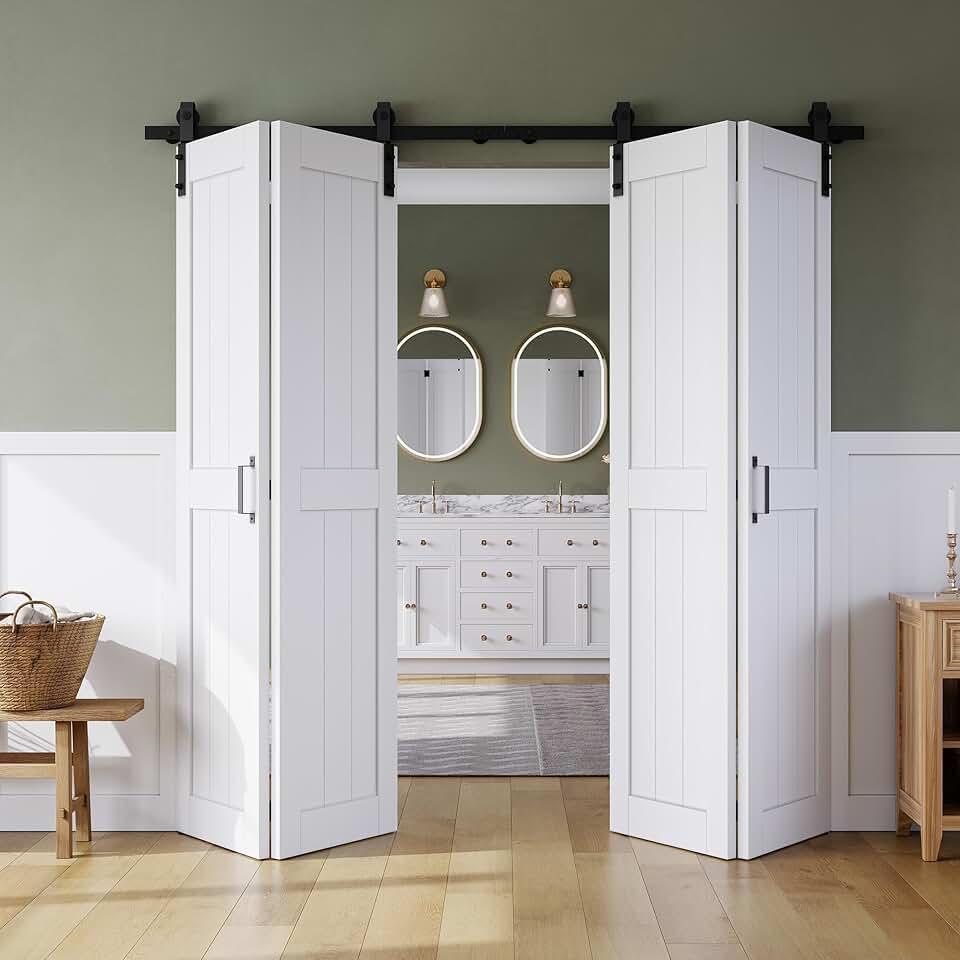
Wide Closet Door Upgrade
- Bifold design helps open up closet space
- pre-finished surface saves time on prep
- water-proof PVC coating supports easy cleaning
- includes hardware kit for a more complete install
- sized for larger openings with a clean white look
Buy on Amazon

Warm Brown Glass Door
- Frosted glass adds style while keeping privacy
- bifold setup works well in bedrooms and bathrooms
- hardware kit included for added convenience
- brown finish brings a classic look
- assembly required with a space-saving design
Buy on Amazon
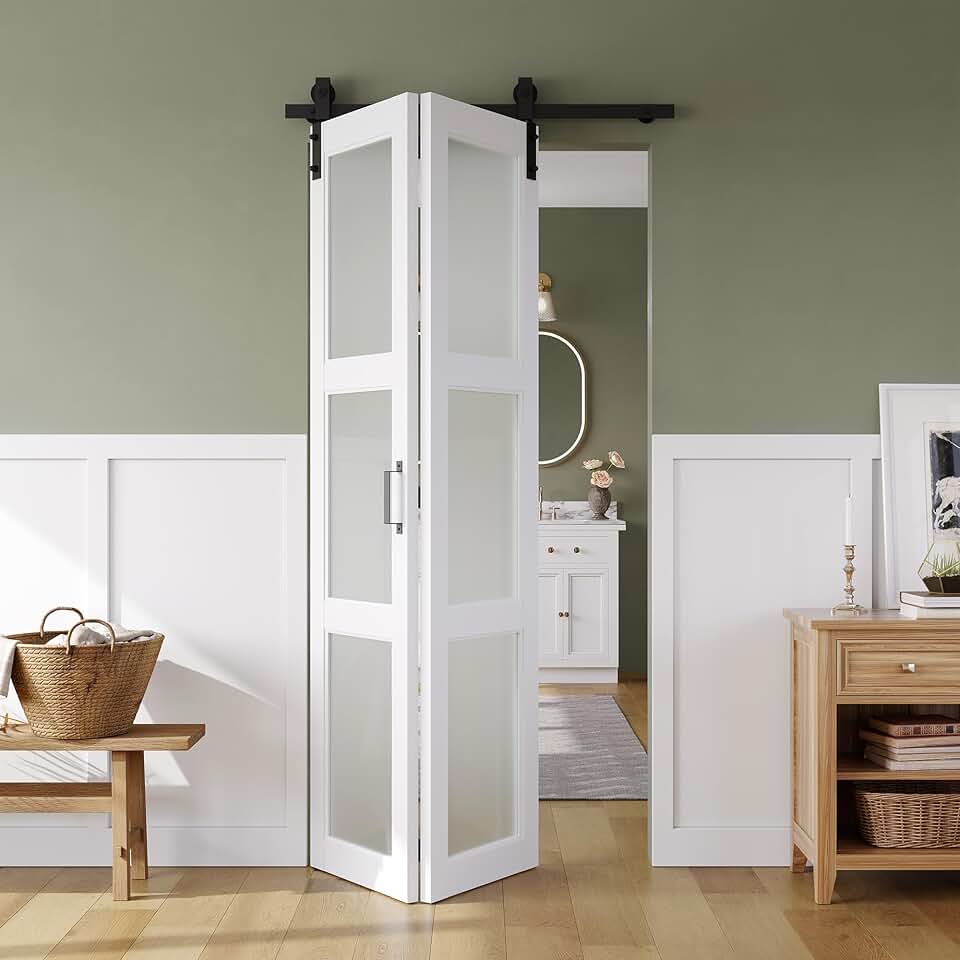
Clean White Frosted Door
- Frosted glass helps brighten rooms while preserving privacy
- pre-drilled holes make assembly more straightforward
- water-proof PVC surface supports easy upkeep
- bifold design saves valuable floor space
- hardware kit included for a more complete package
Buy on Amazon

Bright Bifold Door Pair
- Double panel bifold style suits wider openings
- frosted glass brings light in with added privacy
- solid MDF construction offers dependable everyday use
- water-proof PVC surface helps protect the finish
- hardware kit included for simpler installation
Buy on Amazon

Natural Wood Bifold
- Unfinished spruce wood lets you customize the look
- pre-assembled panels make installation easier
- header board included for a more complete fit
- bifold style saves space in busy rooms
- great for pantries, closets, and laundry areas
Buy on Amazon
Product Comparison Table
Use this comparison framework to sort products by use case instead of buying the first door that matches your décor.
| Product type | Material | Finish | Glass or solid | Hardware included | Best room | Best for | Watch out for |
|---|---|---|---|---|---|---|---|
| White PVC-coated bifold | MDF with PVC face | White | Often frosted glass or solid panels | Often yes | Closet, bathroom, laundry | Easy cleaning and bright trim match | Confirm glass opacity and latch options |
| Wide double bifold | MDF or engineered core | White or painted finish | Solid or glass | Often yes | Large bedroom closet | Replacing 48, 60, or 72-inch closet doors | Freight, return costs, and panel weight |
| Warm brown glass door | MDF or wood composite | Brown | Frosted glass | Often yes | Bedroom, pantry, powder room | Light transfer with privacy | Check nighttime silhouettes |
| Natural wood bifold | Spruce, pine, or similar wood | Unfinished or natural | Solid wood panels | Varies | Pantry, laundry, farmhouse closet | Custom stain or paint | Needs finishing on all sides |
Hardware Verification
Verify the hardware kit before the box sits in your hallway for a week. Missing pivots, short screws, or absent handles can stop the project after the old door is already removed.
Open the package carefully and inspect glass, corners, hinges, and pre-drilled holes. If you smell fresh MDF dust or see a powdery crushed edge, document it right away with photos before assembly.
Shipping and Returns
Doors are awkward to return because they’re long, fragile, and easy to scuff. Oversized bi fold barn doors, glass models, and custom finishes may involve freight shipping, restocking fees, or return freight that costs more than buyers expect.
Inspect the shipment the day it arrives. Look for cracked glass, warped panels, chipped corners, missing hardware, bent tracks, and finish damage before recycling the packaging.
Installation, Costs, and Mistakes
Tools Needed
A standard bifold barn door installation usually needs a tape measure, level, pencil, drill, screwdriver, stud finder, step ladder, safety glasses, shims, and sometimes a saw if trimming is allowed by the manufacturer.
- Tape measure for finished opening width, height, and projection.
- Level for track, header, and panel alignment.
- Drill and bits for track screws, pivots, hinges, and handles.
- Stud finder for secure support when a header board is needed.
- Shims for minor jamb correction during tricky installs.
- Sandpaper and finish for unfinished wood doors.
Basic Installation Steps
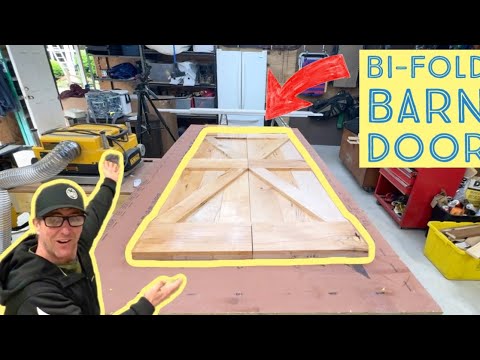
Watch the folding motion before you start drilling. The video below is useful for visualizing track placement, panel movement, and the way pivots control the door.
- Confirm finished opening width and height.
- Check square by measuring diagonals and looking for bowed jambs.
- Mark track location according to the manufacturer’s instructions.
- Install top track level and secure.
- Install bottom pivot or floor bracket if required.
- Attach hinges between panels if they aren’t pre-assembled.
- Seat pivots into the track and bottom bracket.
- Adjust panel height until the door clears the floor.
- Install handles away from hinge pinch points.
- Test movement several times and tune the snugger or aligner.
Adjustment Tips
If the doors rub at the top, check the track level and top pivot position. If they scrape the floor, raise the bottom pivot or look for flooring that sits higher than expected.
If the doors don’t close evenly, adjust the aligner or snugger and recheck whether the opening is square. A tiny pivot change can make the meeting edge go from crooked to clean with one quarter turn.
Common Mistakes
Beginners often order by photo, not fit. The most common bifold barn door mistakes are measuring the rough opening, ignoring floor clearance, buying the wrong hardware, and forgetting that folded panels project into the room.
- Wrong opening measurement: measure finished width and height, not rough framing.
- Nominal size confusion: confirm the manufacturer’s exact fit chart.
- Weak track support: fasten into framing, blocking, or an approved header.
- Wrong hardware kit: don’t buy a sliding barn door kit for a bifold door.
- Poor handle placement: keep fingers away from folding hinge gaps.
- Skipped privacy check: test glass opacity and latch options before bathroom use.
A professional workaround for uneven openings is to dry-fit the track and pivots before final tightening. Leave screws slightly loose, cycle the door, listen for the first rub point, then tighten only after the panels move without a rasping sound.
Cost Ranges
Basic interior bifold closet doors often cost about $80 to $300, while decorative barn-style bifold doors commonly run about $200 to $700. Frosted glass, solid-core, premium wood, and oversized options often land around $300 to $1,000 or more.
Custom bifold barn doors can reach $700 to $2,000+, based on size, wood species, finish, and hardware. Hardware kits often add $40 to $200+, and professional interior door installation can add $150 to $500+ per opening, with higher costs for heavy glass, custom trim, or structural blocking.
Total project cost includes more than the door. Add shipping, return risk, latches, handles, finishing supplies, drill bits, header boards, and labor; remodeling cost guides such as Angi door installation cost show how labor varies by door type and job difficulty.
Safety and Code Notes
Folding doors create pinch points at hinges, pivots, and panel edges. Use handles, teach kids not to pull from the folding edge, and consider soft-close hardware where small fingers or glass panels are involved.
Don’t use lightweight interior bifold barn doors where an exterior-rated, fire-rated, or code-required egress door is needed. For high-traffic public spaces, rentals, or accessible routes, confirm local rules before replacing a hinged door with a folding door.
FAQs
What Is The Difference Between A Bifold Barn Door And A Sliding Barn Door?
A bifold barn door folds in the middle and stacks to one side, while a sliding barn door glides flat along the wall. Bifold doors need less wall clearance than a standard sliding door and are better for tighter spaces. Sliding barn doors usually offer a wider full opening and a more classic barn door look.
How Much Space Does A Bifold Barn Door Need?
A bifold barn door needs enough space for the panels to fold and stack without hitting nearby walls, trim, or fixtures. In most cases, you should allow a few inches of clearance on each side and in front of the opening. Measure carefully for both the opening width and the folded panel depth before choosing hardware.
Do Bifold Barn Doors Need A Bottom Track?
No, bifold barn doors do not always need a bottom track. Many systems use top-hung hardware with a guide at the bottom to keep the door aligned. Some installations may use a floor guide or small track for extra stability, depending on the door size and design.
Can You Use A Bifold Barn Door For A Bathroom?
Yes, a bifold barn door can be used for a bathroom if you want to save space. It works well in small bathrooms, closets, and compact hallways where a swinging door would be awkward. For privacy, choose a solid door and make sure the hardware allows the panels to close securely.
What Size Bifold Door Do I Need For A 30-Inch Opening?
For a 30-inch opening, you usually need a bifold door that matches the finished opening size, often sold as a 30-inch door. The exact fit depends on the manufacturer’s sizing, so always check the rough opening and product specifications. If needed, some bifold doors can be trimmed slightly for a better fit.
Disclosure: LuxyDoor is reader-supported. When you buy through links on our site, we may earn an affiliate commission at no extra cost to you. As an Amazon Associate we earn from qualifying purchases.

Abdelbarie Elkhaddar
Glamorwood Ltd.
A door expert and home improvement writer with over 12 years of experience. I help homeowners and contractors choose smart, stylish, and secure doors.
Modern Barn Door Buying Guide: Styles, Hardware, Sizing and Costs
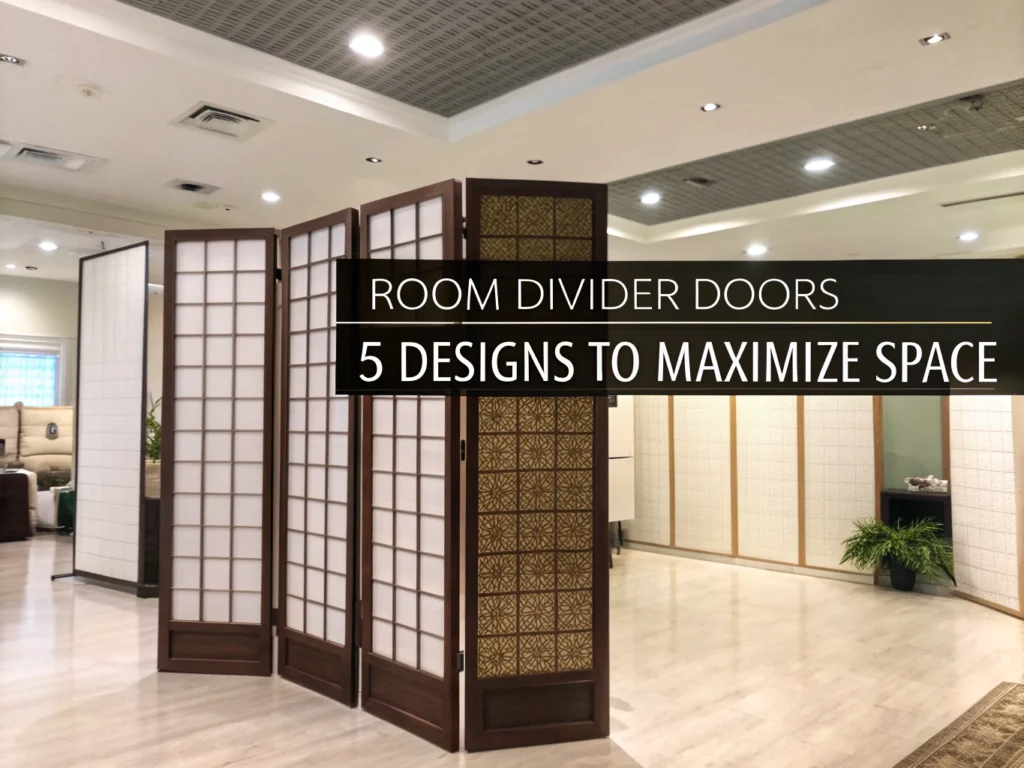
Choosing a modern barn door means balancing style, privacy, hardware, sizing and installation needs. This guide compares materials, room fit, costs and product options so you can choose the right modern sliding barn door for your space.Room Divider Doors: 5 Smart Designs to Maximize Space
Quick guide to five room divider doors that reclaim space and add privacy. Learn pros, simple install tips, and best styles for small rooms.



Leave a Reply